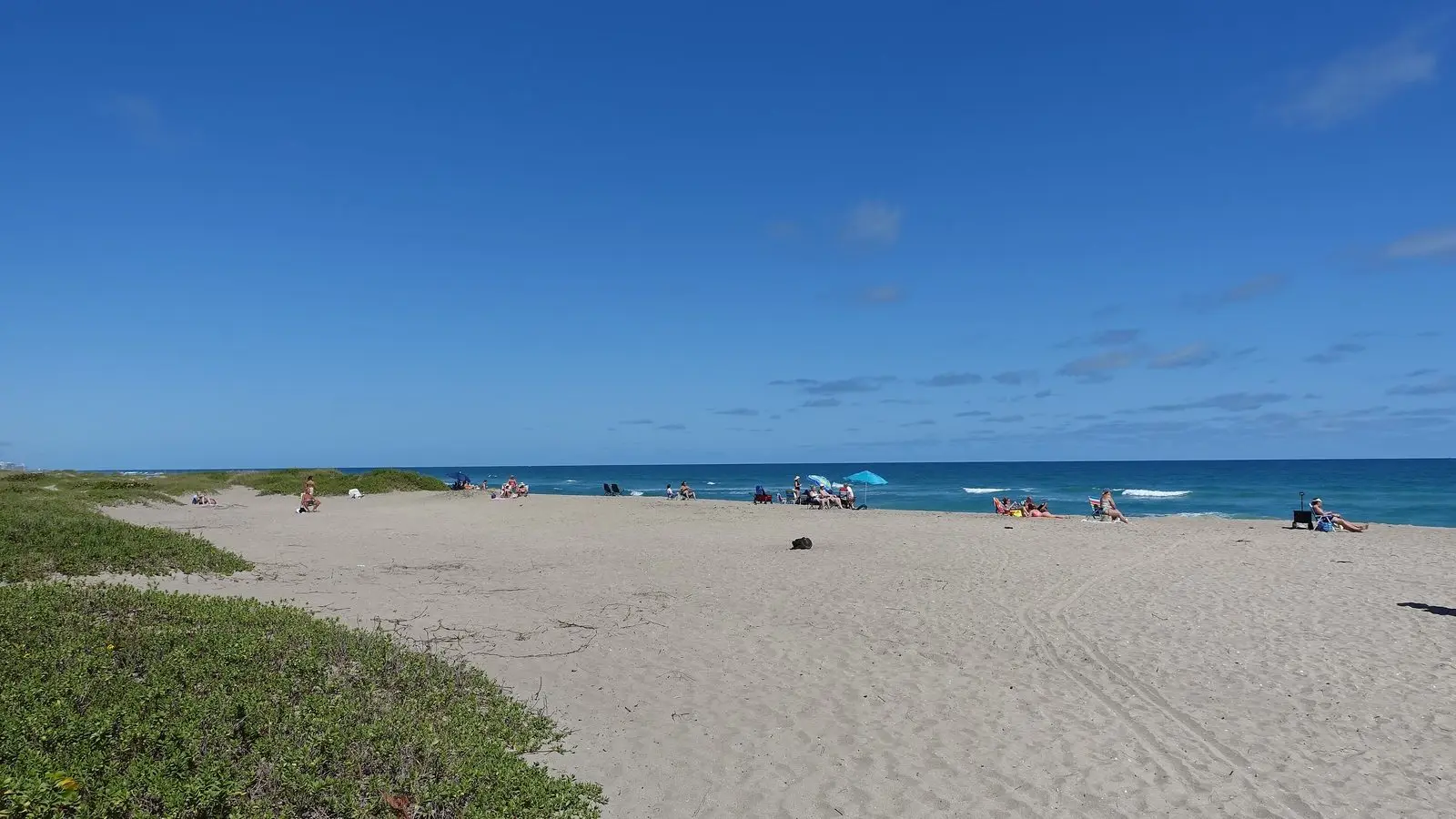
Bathtub Reef is a different beach every hour, and the hour that matters is low tide. I spent a January Saturday there from dawn to noon with a tide table and a thermos, to write down what happens when.
Three hours before low tide
The reef is a line of surf a few yards out and the beach looks like any other. Families arriving now set up at the water’s edge and wonder what the fuss is about. The lifeguard arrives at nine, looks at the tide table and says, give it an hour.
One hour before
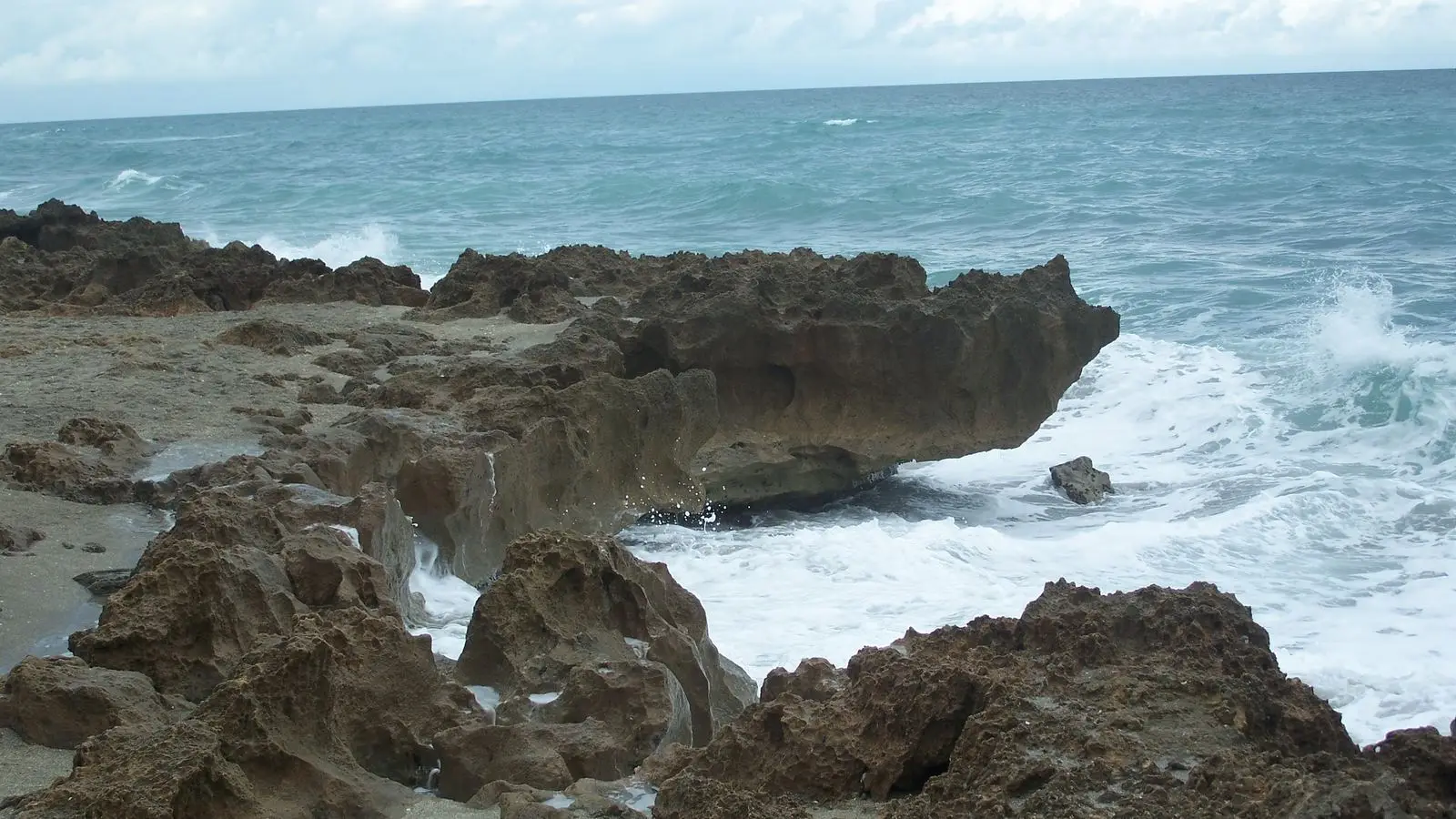
The rock starts to show through the surf, first as dark patches, then as a wall. The water inside goes from green and moving to green and still. The first snorkellers wade in and lie flat over the reef, looking down. Children find the pool knee-deep and warm and stop asking to leave.
Low tide
For about an hour either side of low tide the pool is the bath the beach is named for: calm, clear, a foot to a yard deep, with sergeant majors and small parrotfish around the rock and the surf breaking safely on the far side. This is the hour to come for. On a weekend in winter it is also the hour the lot is full, so the people who know arrive at the start of it and leave at the end.
Two hours after
The wall goes under, the pool fills with swell and the beach is ordinary again. The snorkellers pack up; the families with sandcastles stay.
- Look up the tide for the St. Lucie Inlet, not for a beach further north.
- Arrive an hour before low tide and leave an hour after; two hours of the best water.
- Reef shoes. The rock is sharp and the worms that built it are alive.
- After a storm the sand goes and the beach closes; the county posts it.
The reef is the work of thousands of small worms that cement sand into tubes, which is why standing on it is the one rule the lifeguards enforce. Treat it like coral and it will still be there next winter.