
Region
Hutchinson Island, a barrier island of beaches and refuges
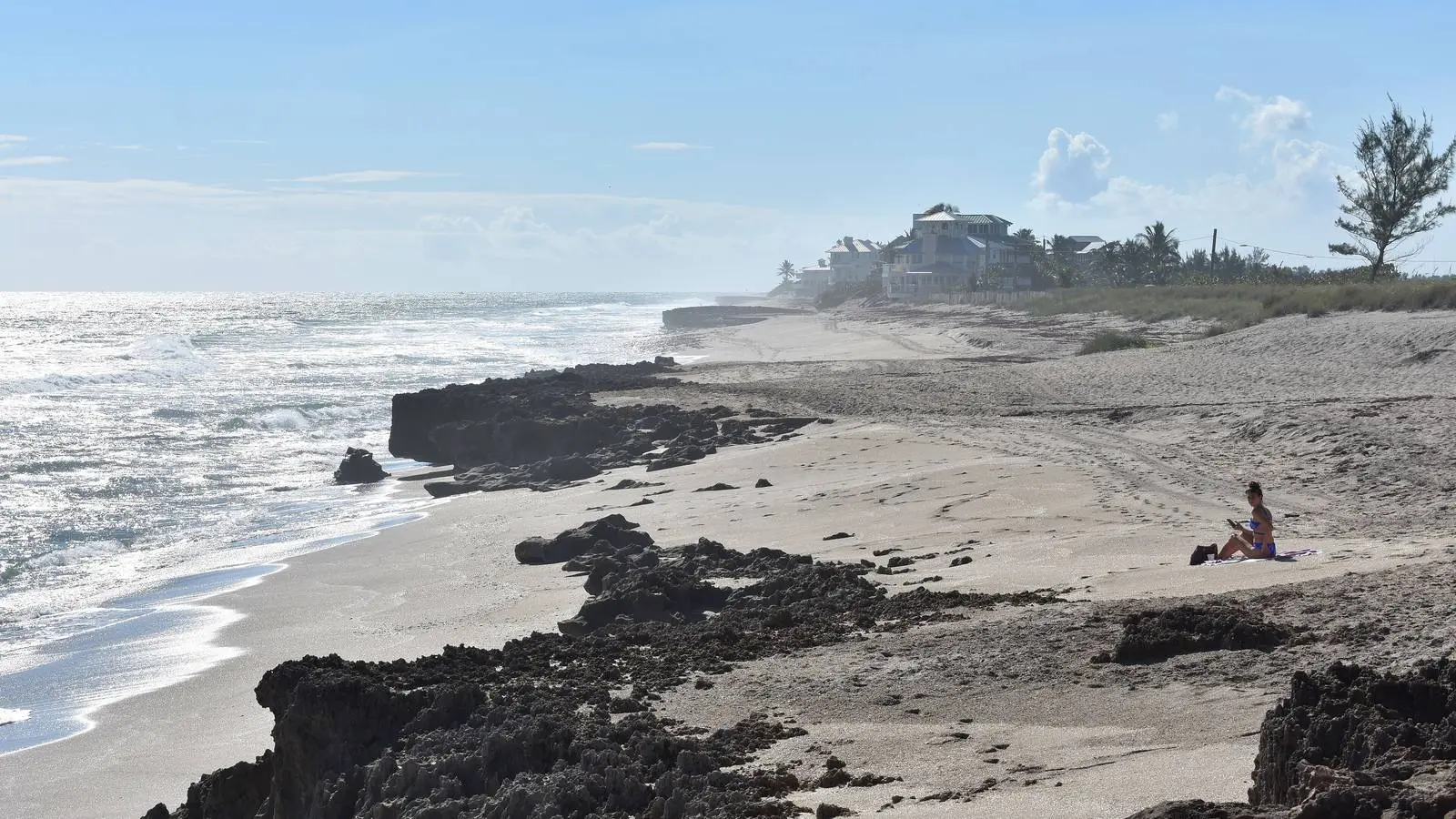
Twenty miles of barrier island with the Atlantic on one side, the lagoon on the other and one road down the middle. The beaches, the museums and the reef are all here.

10 min
Drive from Stuart

A1A
The only road, two bridges

Free
County beach lots, which fill by 10 am
One road, two shores
Hutchinson Island runs from the St. Lucie Inlet north past Jensen Beach and on to Fort Pierce. Route A1A is the only road, two lanes with the ocean on one side and the Indian River on the other, and the island’s whole life is strung along it: the county beaches, the House of Refuge on its rocks at the south end, the Elliott Museum and the Coastal Center across from Stuart Beach, then miles of condominiums and dune until the island narrows at Jensen. Two bridges reach it, from Stuart and from Jensen Beach, and both back up on winter weekends.
The beaches
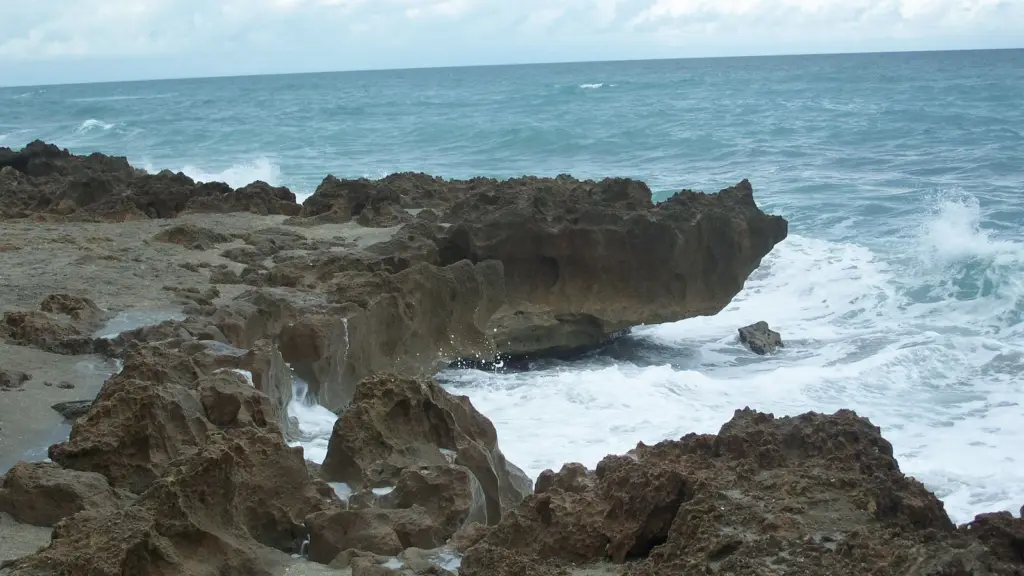
Bathtub Reef at the south tip is the one everybody wants: a worm-rock reef a few yards off the sand makes a shallow pool at low tide that children can wade in and snorkellers can float over. It closes after storms when the sand washes away, sometimes for months. Stuart Beach has lifeguards, a café, courts and the biggest lot. Between them and north of them are a dozen small access points with a few parking spaces each and no facilities, which is where the locals go.
Museums and the reef
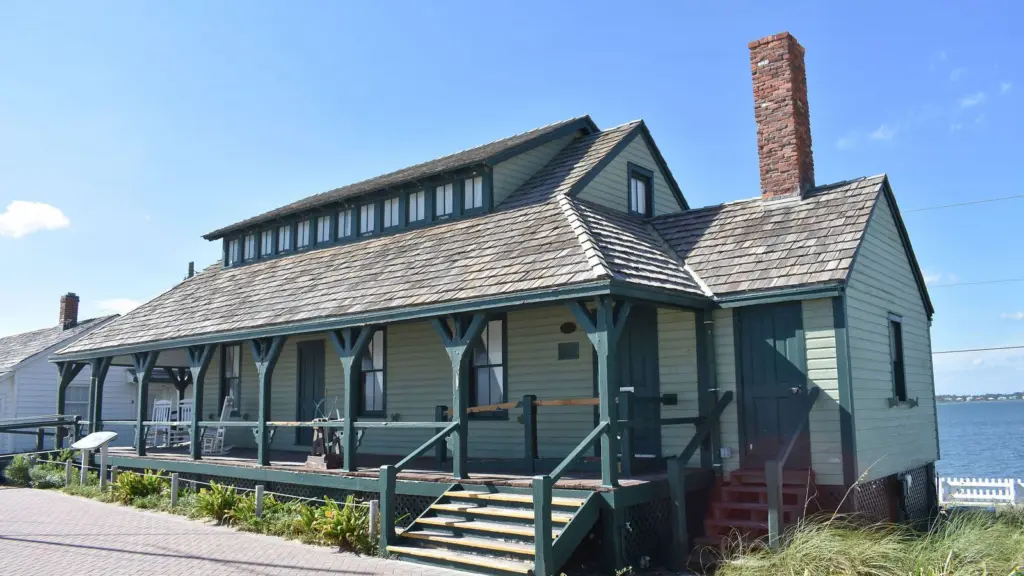
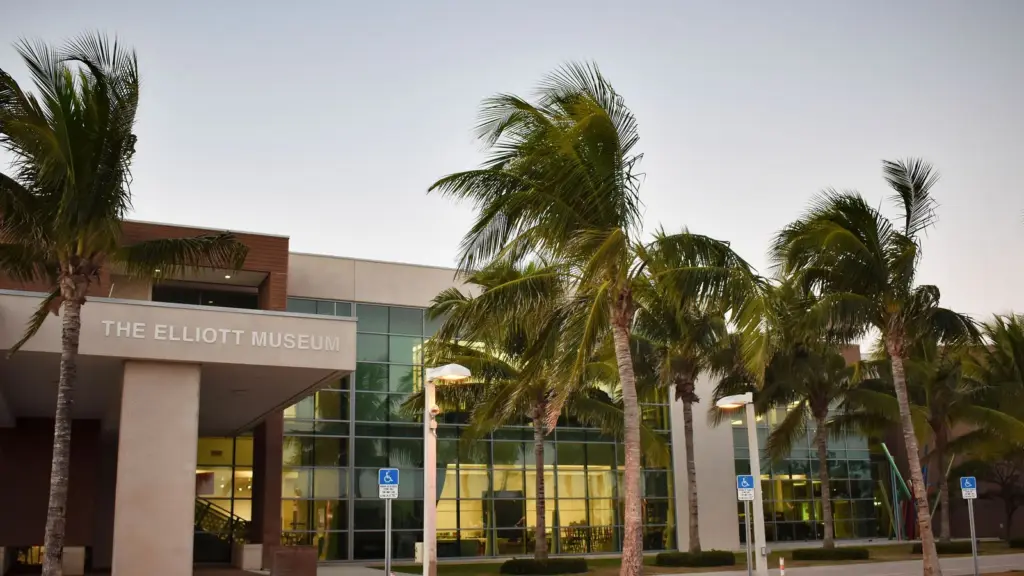
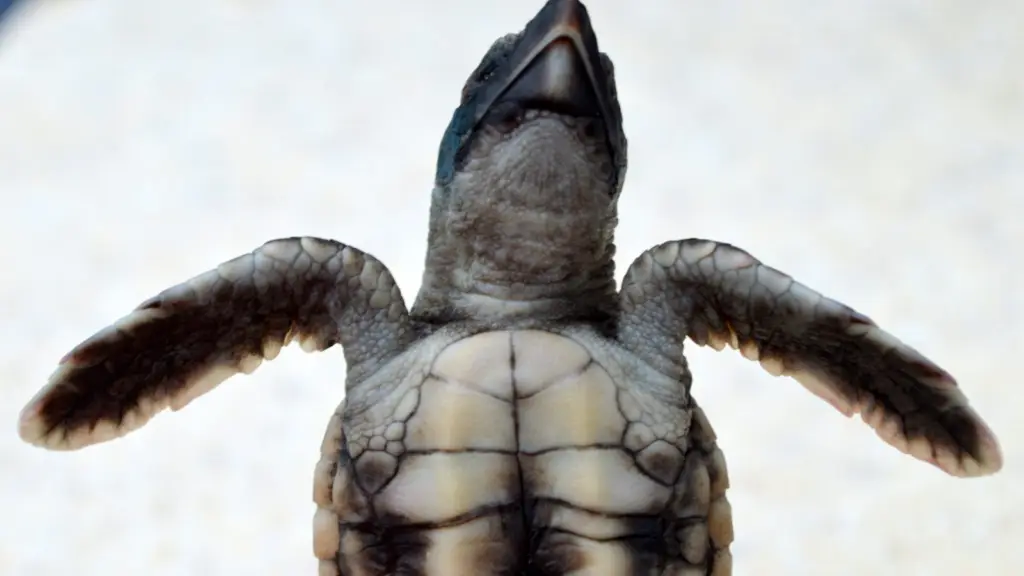
Three museums sit within a mile of each other on MacArthur Boulevard and A1A. The House of Refuge, built in 1876 to shelter shipwrecked sailors, is the oldest building in the county and sits on the rocks with the surf below its porch. The Elliott Museum across from Stuart Beach holds cars, boats and local history in a modern building. The Florida Oceanographic Coastal Center next door has a game-fish lagoon, stingray feeding and the sea turtle hospital. A day that joins all three with lunch at the beach café between them is the best wet-weather plan on the coast.
Nesting season
From March to October the island’s beaches are the busiest loggerhead nesting ground in the Western Hemisphere, with leatherbacks in spring and green turtles in summer. Nests are marked with stakes and tape; the rules are no lights after dark, no digging and no furniture left on the sand overnight. Guided turtle walks run in June and July and book out weeks ahead.
Things to do here
Beach
Bathtub Reef Beach
South tip of the island
Best at low tide
A worm-rock reef a few yards offshore makes a shallow, calm pool at low tide; snorkel over the reef or wade with small children.
Museum
House of Refuge
MacArthur Boulevard
10 am to 4 pm
The last of the ten houses built in 1876 to shelter shipwrecked sailors, on the rocks at Gilbert’s Bar.
Museum
Elliott Museum
Across from Stuart Beach
10 am to 5 pm
Cars, boats, baseball and the history of the island in a modern building with the ocean across the road.
Museum
Florida Oceanographic Coastal Center
Next to the Elliott
10 am to 5 pm
A game-fish lagoon, stingray feeding, a nature trail to the river and the sea turtle hospital.
Good to know
- A1A is the only road; the Stuart and Jensen Beach bridges are the only ways on and off.
- Bathtub Reef closes after storms wash the sand away; check before you drive to the south tip.
- The small beach access points along A1A have a few spaces each and no facilities.
- Turtle walks in June and July are booked through the Coastal Center and the Hobe Sound refuge.
- There is no fuel on the island south of Jensen Beach.
The other regions
-
Region
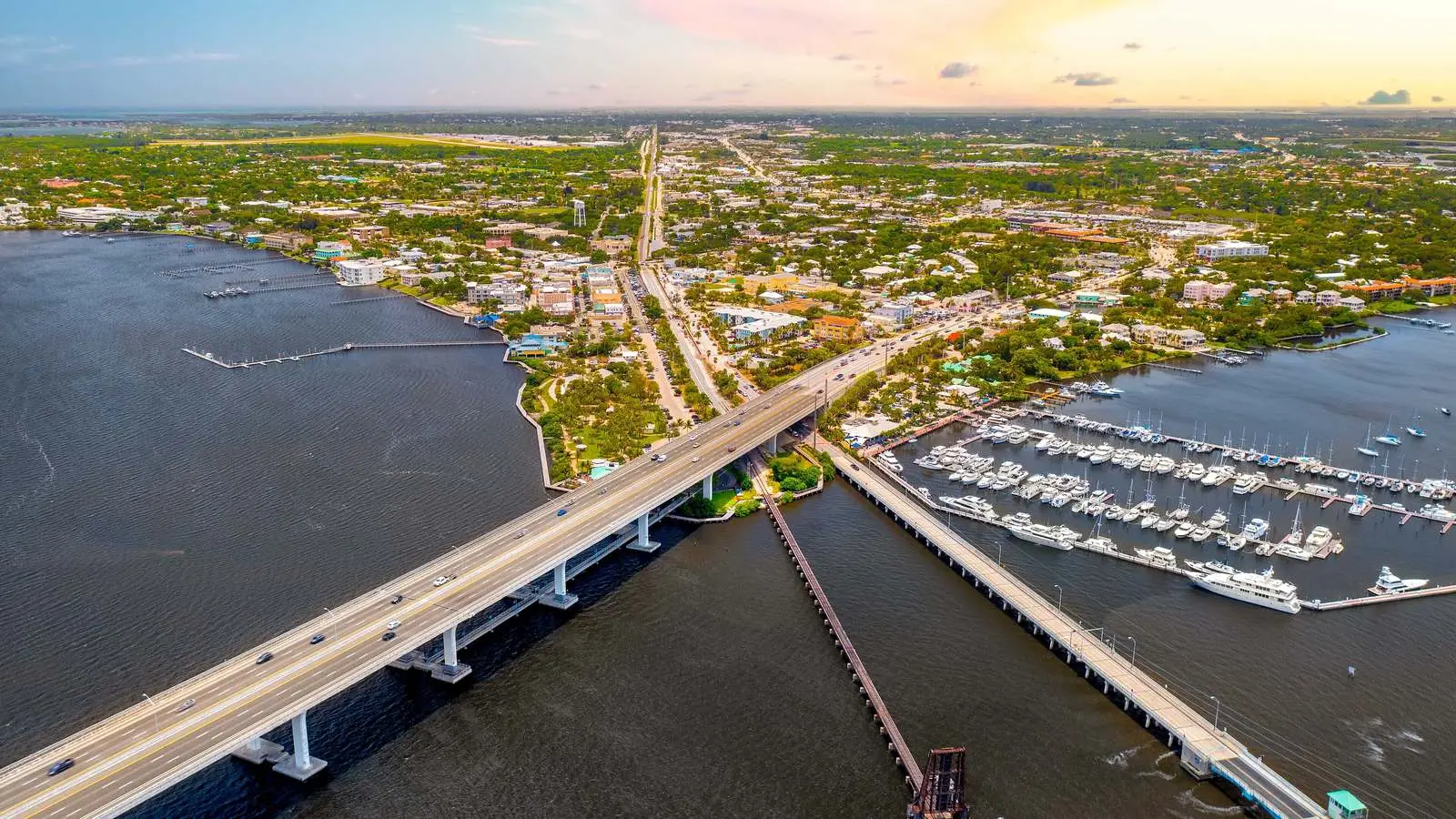
Stuart
The county seat and the base for most visits: downtown, the Riverwalk,…
-
Region
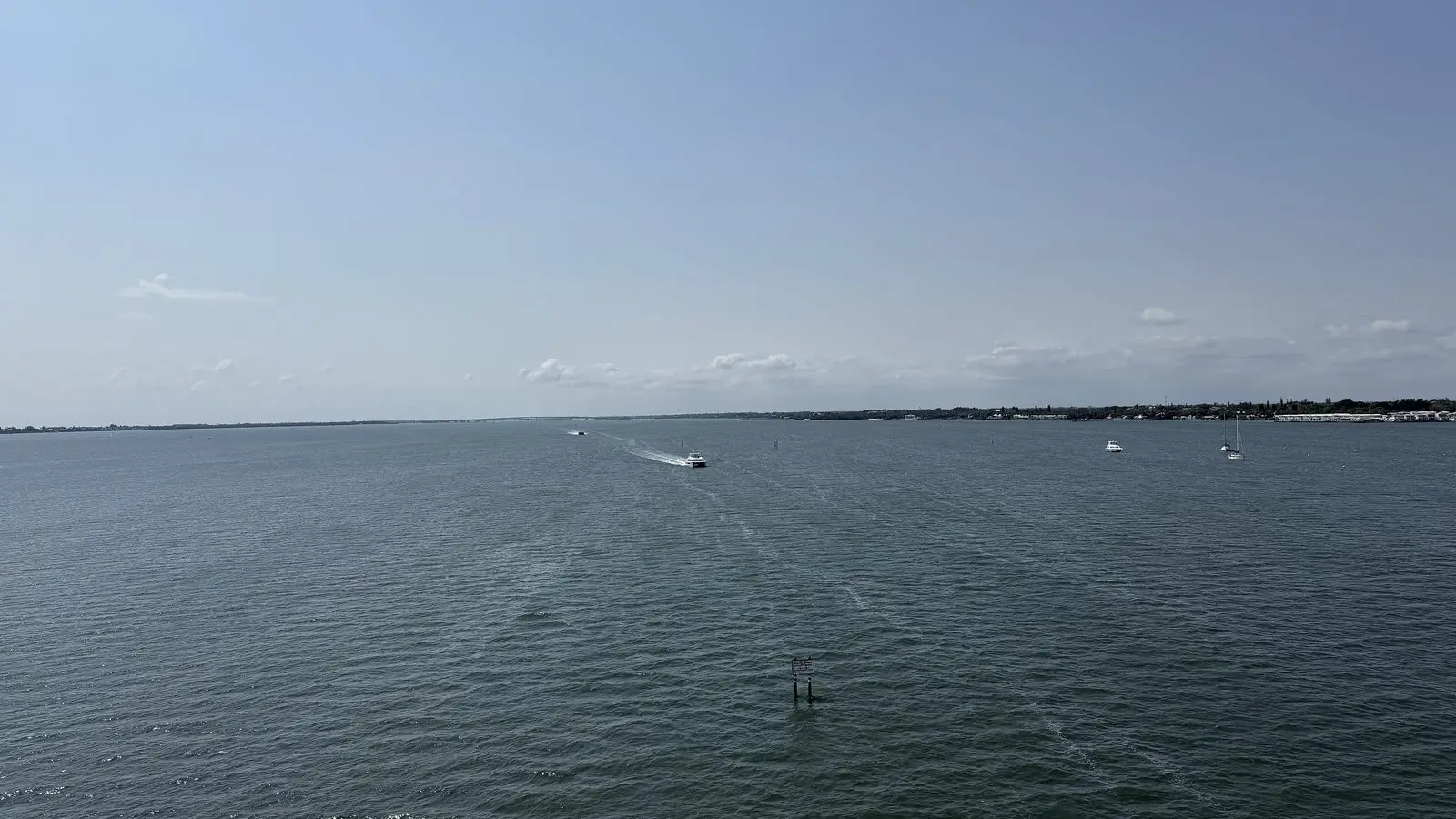
Jensen Beach
A one-street village on the lagoon with a causeway to a boardwalk…
-
Region
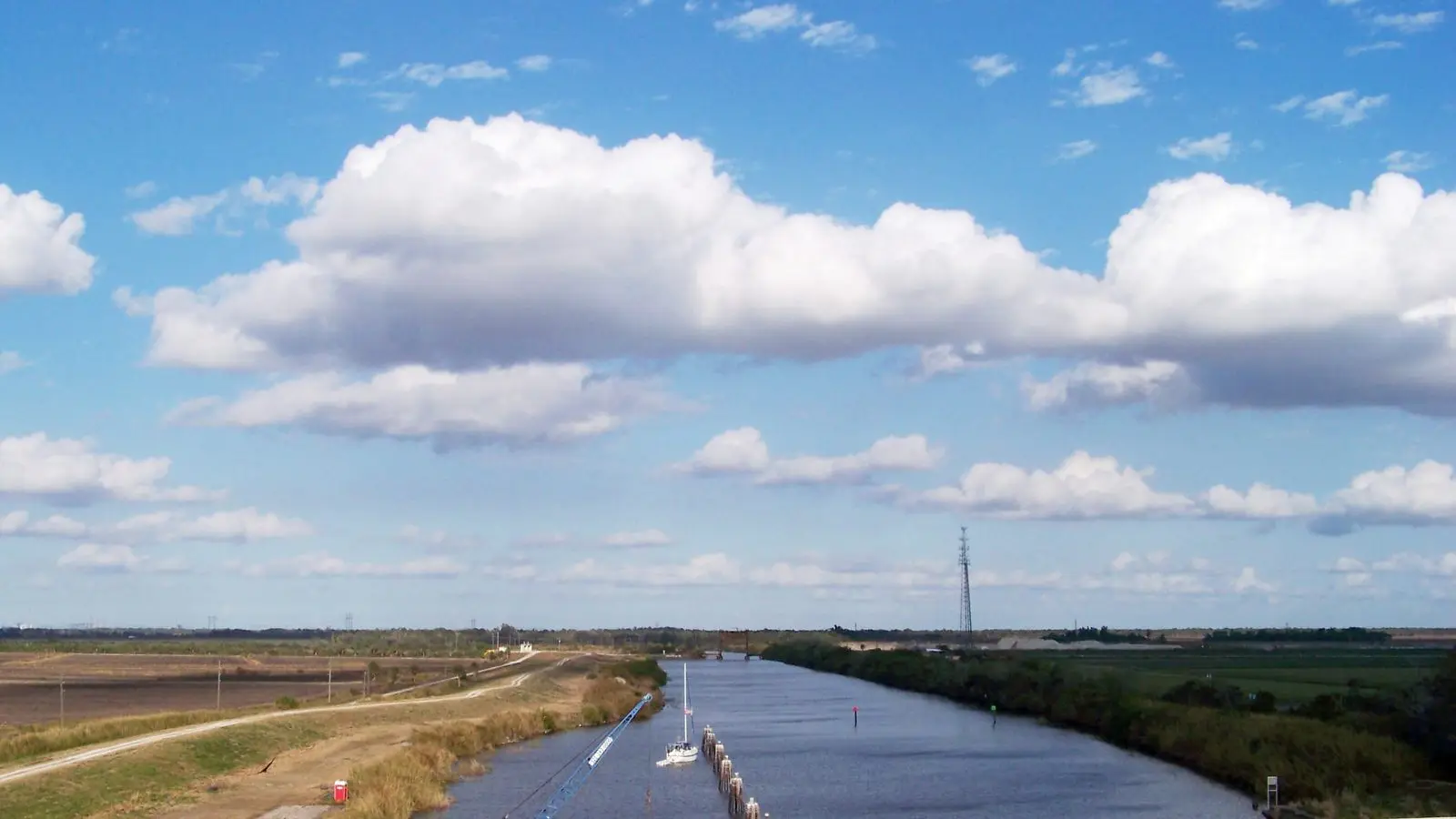
Palm City
The west bank of the river: golf, the lock on the Okeechobee…
-
Region
Hobe Sound
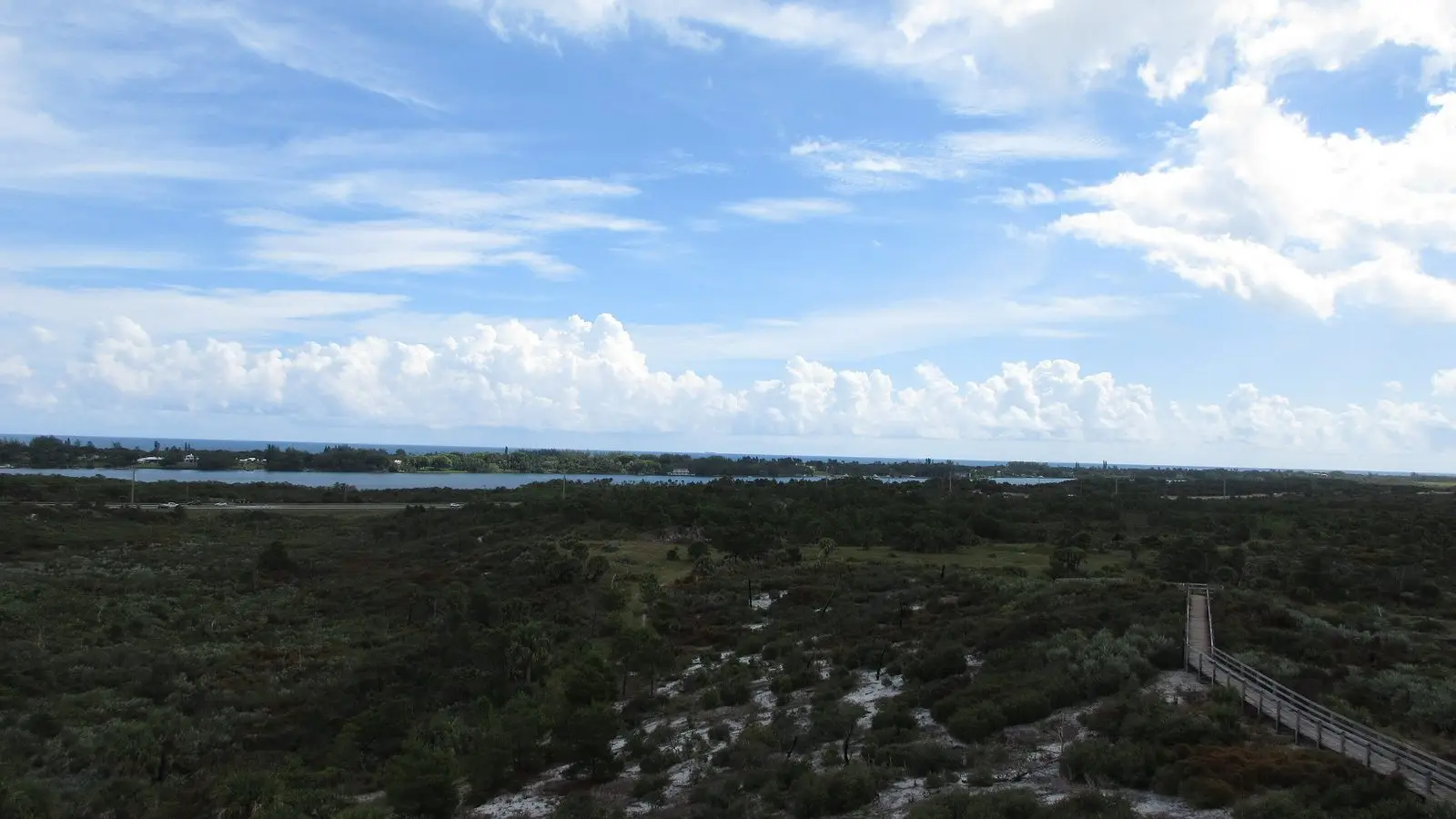
The wild end of the coast: the refuge beach, Jonathan Dickinson State…
-
Region
Jupiter
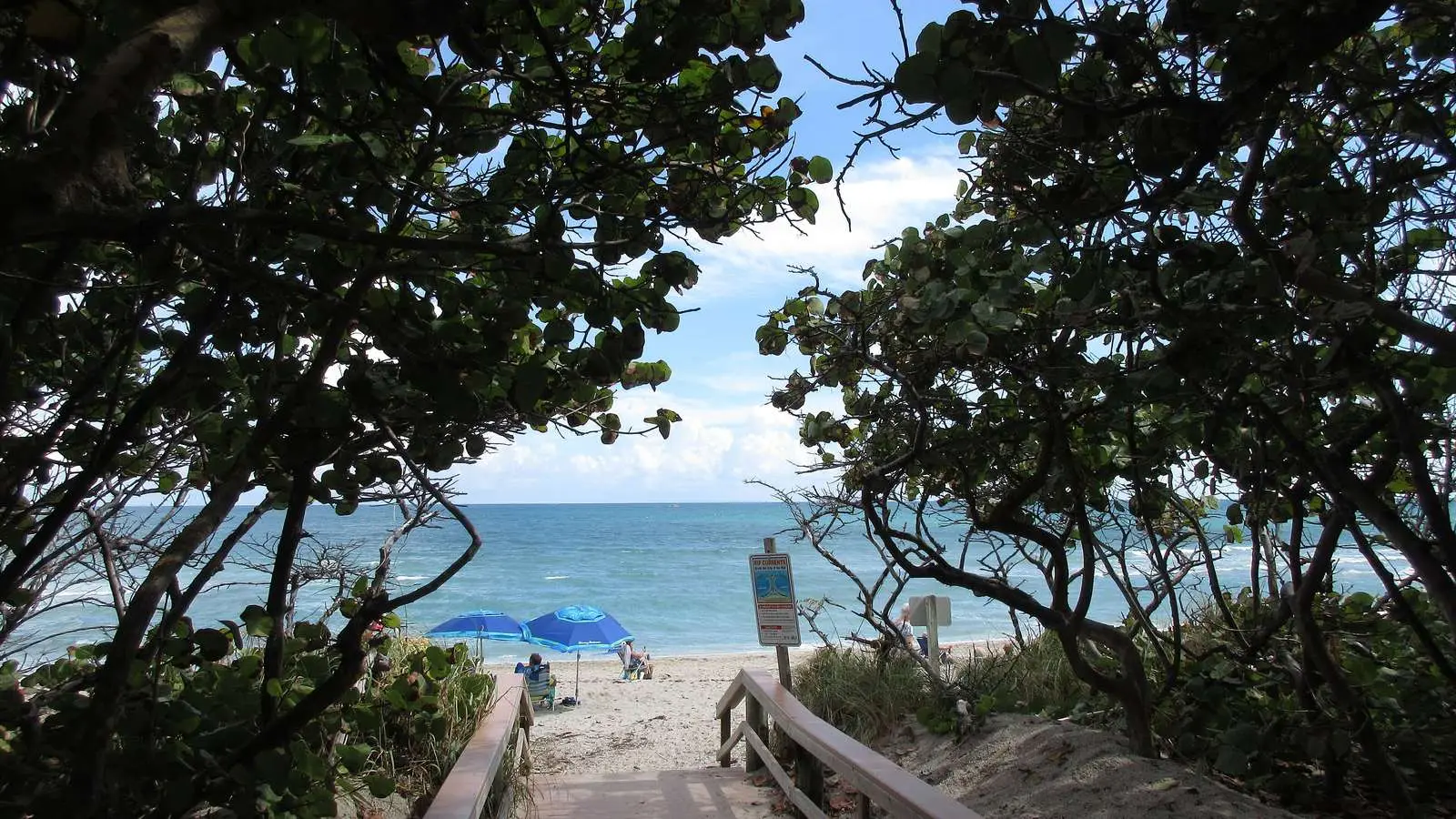
The south end of the guide: the 1860 lighthouse, the clearest inlet…